When purchasing a home, many buyers focus on the sales price and down payment but overlook one crucial aspect of the transaction: closing costs.
These essential fees cover the services of various real estate and lending professionals required to finalize your home purchase.
Closing costs can add up to thousands of dollars, so understanding them upfront is key to avoiding surprises on closing day.
What Are Closing Costs?
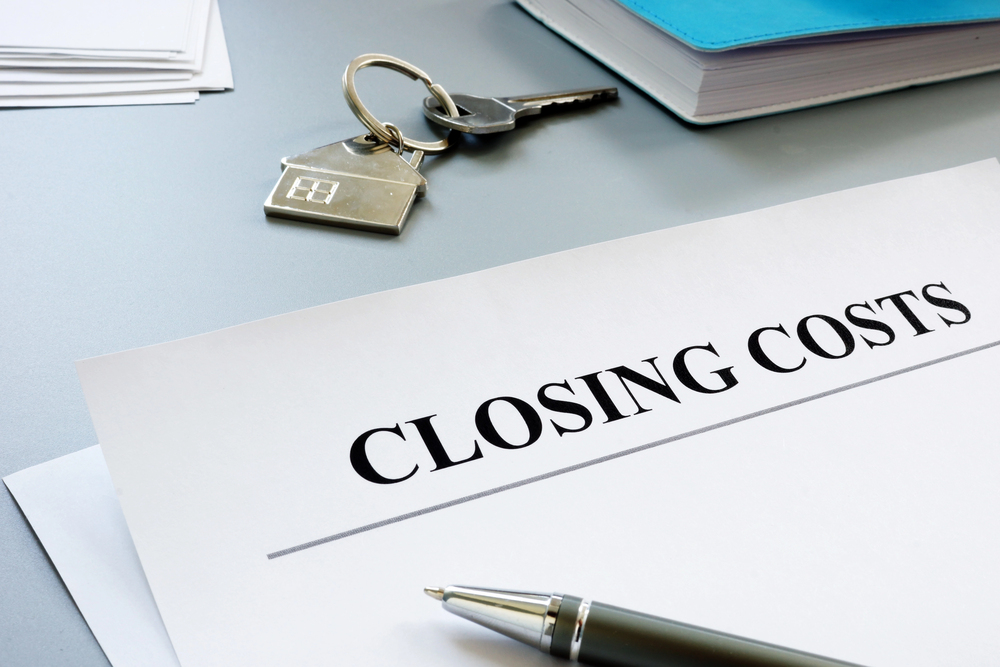
Closing costs are the fees and expenses you’ll pay in addition to the purchase price of the home.
These costs cover the work of professionals involved in the home-buying process, such as lenders, attorneys, home appraisers, and title companies.
While the exact amount of closing costs depends on factors like your lender, the type of mortgage you choose, and the location of the property, they typically range between 2% and 5% of the home’s purchase price.
What Do Closing Costs Include?
Closing costs are made up of a variety of fees and expenses. Here are some of the most common:
1. Loan-Related Fees:
- Loan Origination Fee: A fee charged by the lender for processing your loan application.
- Credit Report Fee: The cost of pulling your credit report to evaluate your creditworthiness.
- Mortgage Points (Optional): Fees you can pay upfront to lower your mortgage interest rate.
2. Property-Related Fees:
- Appraisal Fee: A fee for a professional appraisal to determine the home's market value.
- Home Inspection Fee: The cost of a professional inspection to assess the property’s condition.
- Survey Fee: If required, a fee to verify property boundaries.
3. Title and Legal Fees:
- Title Search and Title Insurance: Costs associated with ensuring the property has a clear title with no outstanding liens or claims.
- Attorney Fees: Legal fees for reviewing contracts and overseeing the transfer of ownership (in some states).
4. Prepaid Costs:
- Property Taxes: You may be required to pay a portion of property taxes upfront.
- Homeowners Insurance: Lenders often require you to prepay the first year of homeowners insurance.
- Escrow Account Setup: Funds may be collected to cover future property taxes and insurance premiums.
5. Government Fees:
- Recording Fees: Fees paid to the local government to record the property deed and mortgage documents.
- Transfer Taxes: Taxes imposed by local or state governments for transferring ownership of the property.
How Do You Know What Your Closing Costs Will Be?
After you apply for a mortgage, your lender will provide you with a Loan Estimate, typically within three business days.
The Loan Estimate outlines the estimated closing costs associated with your loan, giving you a clear picture of what to expect.
Closer to your closing date, you’ll receive a Closing Disclosure, which provides the final breakdown of all costs.
Can You Reduce Closing Costs?
Yes, there are ways to manage or reduce your closing costs:
- Shop Around for Services: Compare rates for services like title insurance or home inspections to find the best deals.
- Negotiate with the Seller: In some cases, sellers may agree to cover part of your closing costs as part of the purchase agreement.
- Roll Costs into Your Loan: Depending on your lender and loan type, you may be able to add some or all of your closing costs to your mortgage amount. While this reduces your upfront cash requirement, it does increase your loan balance (and monthly payments).
Why Are Closing Costs Important?
Closing costs are an essential part of the home-buying process because they ensure all necessary services and documentation are completed to legally transfer ownership of the property.
While they might seem like an extra expense, these costs protect both buyers and lenders by ensuring the transaction is handled properly.
Understanding closing costs is a critical step in budgeting for your home purchase.
These fees may seem overwhelming, but with proper planning and clear communication with your lender, you’ll have a better idea of what to expect.
Remember, your Loan Estimate and Closing Disclosure will be your best tools for preparing financially and avoiding surprises.
If you have questions about specific fees, don’t hesitate to ask your real estate agent or lender for clarification.
By factoring in closing costs early in your home-buying journey, you’ll be better prepared to make your dream of homeownership a reality.
If you’re planning to buy a home and want expert guidance through every step of the process, I'm here to help!
Contact me today to connect with an experienced real estate professional who can answer your questions, help you navigate closing costs, and make your home-buying experience smooth and stress-free.
Can't wait to connect with you!


 ©2026 Georgia Multiple Listing Service All information deemed reliable but not guaranteed. All properties are subject to prior sale, change or withdrawal. Neither listing broker(s) or information provider(s) shall be responsible for any typographical errors, misinformation, misprints and shall be held totally harmless. Listing(s) information is provided for consumer's personal, non-commercial use and may not be used for any purpose other than to identify prospective properties consumers may
 Listings identified with the FMLS IDX logo come from FMLS and are held by brokerage firms other than the owner of this website. The listing brokerage is identified in any listing details. Information is deemed reliable but is not guaranteed. If you believe any FMLS listing contains material that infringes your copyrighted work please