Purchasing your first home is an exciting milestone, but navigating the world of financing can feel overwhelming. From understanding mortgage basics to exploring different loan options and current market interest rates, this guide will help you gain the confidence and knowledge you need to make informed decisions. Let’s dive into the essentials of financing your first home.

What is a Mortgage?
A mortgage is essentially a loan that allows you to purchase a home.
Since most buyers don’t have the full price of a home available upfront, they borrow money from a bank or lender and agree to repay it over time, typically 15 to 30 years.
In exchange, the lender holds a lien on the property, meaning they have the right to repossess the home if the borrower fails to pay.
Mortgages are made up of principal and interest:
- Principal: The amount you borrow to buy the home.
- Interest: The cost of borrowing the money, expressed as a percentage of the loan amount.
Your monthly mortgage payment may also include additional costs, such as property taxes, homeowner’s insurance, and, if applicable, private mortgage insurance (PMI).
Understanding Down Payments
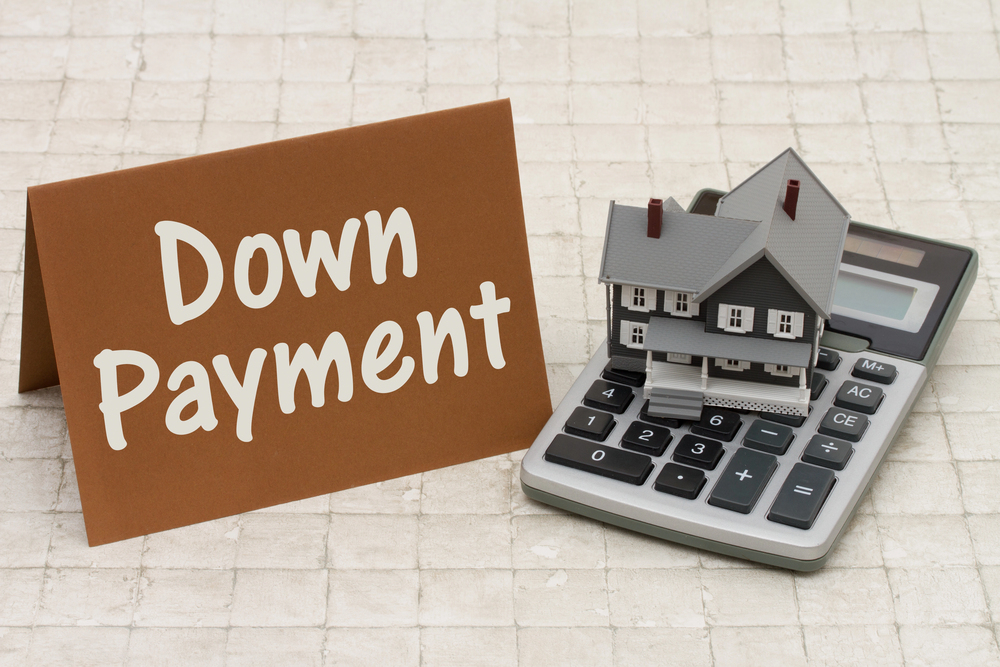
The down payment is the portion of the home price you pay upfront. While the traditional rule of thumb was to put down 20%, this is no longer a hard-and-fast requirement. Many loan programs allow buyers to put down as little as 3% to 5%.
Here’s how the down payment affects your mortgage:
- Higher Down Payment: Results in a smaller loan, lower monthly payments, and potentially better interest rates.
- Lower Down Payment: Makes it easier to buy a home sooner but often requires PMI, which protects the lender in case you default on the loan.
Different Types of Mortgages
There are several loan options available to first-time homebuyers, each with unique benefits and requirements. Choosing the right mortgage depends on your financial situation, credit score, and long-term goals.
1. Conventional Loans
Conventional loans are not backed by the government and are offered by private lenders such as banks and credit unions.
- Pros: Typically have lower interest rates for borrowers with excellent credit.
- Cons: Require a higher credit score (usually 620 or above) and a larger down payment (usually 5% to 20%).
- Best For: Buyers with strong credit and enough savings for a larger down payment.
2. FHA Loans
FHA loans are insured by the Federal Housing Administration and are popular among first-time homebuyers.
- Pros: Require a lower down payment (as low as 3.5%) and are more lenient with credit scores (minimum 580).
- Cons: Require mortgage insurance premiums (MIP), which can increase monthly costs.
- Best For: Buyers with lower credit scores or limited funds for a down payment.
3. VA Loans
VA loans are exclusively available to veterans, active-duty service members, and eligible spouses, and they’re backed by the U.S. Department of Veterans Affairs.
- Pros: No down payment required, no PMI, and competitive interest rates.
- Cons: Only available to qualified individuals.
- Best For: Veterans and active-duty military members.
4. USDA Loans
USDA loans are backed by the U.S. Department of Agriculture and are designed for buyers in rural and suburban areas.
- Pros: No down payment required and competitive interest rates.
- Cons: Income limits apply, and the home must be in an eligible rural area.
- Best For: Buyers with moderate to low income purchasing in rural areas.
5. Adjustable-Rate Mortgages (ARMs)
An adjustable-rate mortgage has an interest rate that changes over time. For example, a 5/1 ARM has a fixed rate for the first 5 years, then adjusts annually based on market rates.
- Pros: Lower initial interest rates compared to fixed-rate mortgages.
- Cons: Rates can increase significantly after the fixed period.
- Best For: Buyers planning to sell or refinance before the adjustable period begins.
6. Fixed-Rate Mortgages
A fixed-rate mortgage has an interest rate that remains the same for the entire loan term, typically 15 or 30 years.
- Pros: Predictable monthly payments, making budgeting easier.
- Cons: May have higher rates compared to ARMs during the initial period.
- Best For: Buyers planning to stay in their home long-term.
Current Market Interest Rates
Interest rates play a significant role in determining the affordability of your mortgage.
Rates can vary based on factors like the economy, inflation, and your personal financial situation (credit score, down payment, etc.).
What’s Happening in the Market?
As of early 2025, interest rates are trending higher than in previous years due to efforts to control inflation.
The average 30-year fixed-rate mortgage is hovering around 6.5% to 7%, while 15-year fixed-rate mortgages offer slightly lower rates at 5.5% to 6%.
How Rates Impact Your Monthly Payment
Even a small change in interest rates can significantly affect your monthly mortgage payment. For example:
- On a $300,000 loan at 6.5%, your monthly principal and interest payment would be approximately $1,896.
- At 7%, that payment increases to $1,996.
This underscores the importance of shopping around for the best rate and locking it in when you’re ready to buy.
Tips for Securing the Best Loan Terms
To get the best financing options, follow these tips:
Boost Your Credit Score: Lenders use your credit score to determine your eligibility and interest rate. Aim for a score of 700 or higher by paying bills on time, reducing debt, and avoiding new credit inquiries.
Save for a Larger Down Payment: A higher down payment can lower your loan amount, eliminate PMI, and improve your chances of securing favorable terms.
Shop Around for Lenders: Learn how to find best lenders for your home purchase, compare offers from multiple lenders, including banks, credit unions, and online platforms, to find the best rates and terms.
Get Pre-Approved: A pre-approval letter shows sellers you’re a serious buyer and gives you a clear idea of your budget.
Other Costs to Consider
Beyond your mortgage, there are additional costs associated with buying a home:
Closing Costs: Typically 2% to 5% of the loan amount, these include fees for appraisals, inspections, and loan origination.
Property Taxes: Vary by location and are often included in your monthly payment.
Homeowners Insurance: Protects your property from damage and is required by most lenders.
HOA Fees: If your home is part of a homeowners association, you may have monthly or annual dues.
Is Now the Right Time to Buy?
Deciding whether to buy now depends on your financial readiness and market conditions. While rising interest rates may make monthly payments higher, waiting could mean paying even more if home prices continue to climb.
Instead of trying to time the market, focus on factors you can control, such as improving your financial health and understanding your budget.
Final Thoughts
Financing your first home may seem daunting, but with the right preparation and understanding, it becomes much more manageable. Take the time to explore your loan options, improve your credit score, and shop for the best interest rates. Remember, buying a home is a long-term investment, so make sure your financing aligns with your overall financial goals.
By educating yourself and working with trusted professionals, you can turn the dream of homeownership into reality. Happy house hunting!
Are you a first-time buyer with questions about financing?
Contact me today to discuss more details and explore the best options for your home-buying journey - I'm here to help!


 ©2026 Georgia Multiple Listing Service All information deemed reliable but not guaranteed. All properties are subject to prior sale, change or withdrawal. Neither listing broker(s) or information provider(s) shall be responsible for any typographical errors, misinformation, misprints and shall be held totally harmless. Listing(s) information is provided for consumer's personal, non-commercial use and may not be used for any purpose other than to identify prospective properties consumers may
 Listings identified with the FMLS IDX logo come from FMLS and are held by brokerage firms other than the owner of this website. The listing brokerage is identified in any listing details. Information is deemed reliable but is not guaranteed. If you believe any FMLS listing contains material that infringes your copyrighted work please